How to Choose the Best Sleep Monitoring Technology for You?
When it comes to improving sleep quality, Sleep Monitoring Technology plays a crucial role. Dr. Matthew Walker, a renowned sleep scientist, has stated, “The best way to enhance sleep is to understand it.” This insight underscores the importance of selecting the right sleep monitoring tools. With numerous options available, finding the best fit can feel overwhelming.
Sleep monitoring devices come in various forms, from wearable gadgets to smartphone apps. Each offers unique features aimed at tracking sleep patterns. Some focus on heart rate variability, while others analyze movement during sleep. Understanding what you need is essential. For instance, you might prioritize accuracy over additional features.
Consider what aspects of your sleep you want to improve. Are you looking for deep sleep insights or just a basic overview? Not all technology suits every individual. Take time to explore and reflect on your preferences. A mismatch could lead to frustration and unfulfilled expectations. Embracing Sleep Monitoring Technology should inspire positive change, not stress or confusion.
Understanding Different Sleep Monitoring Technologies Available
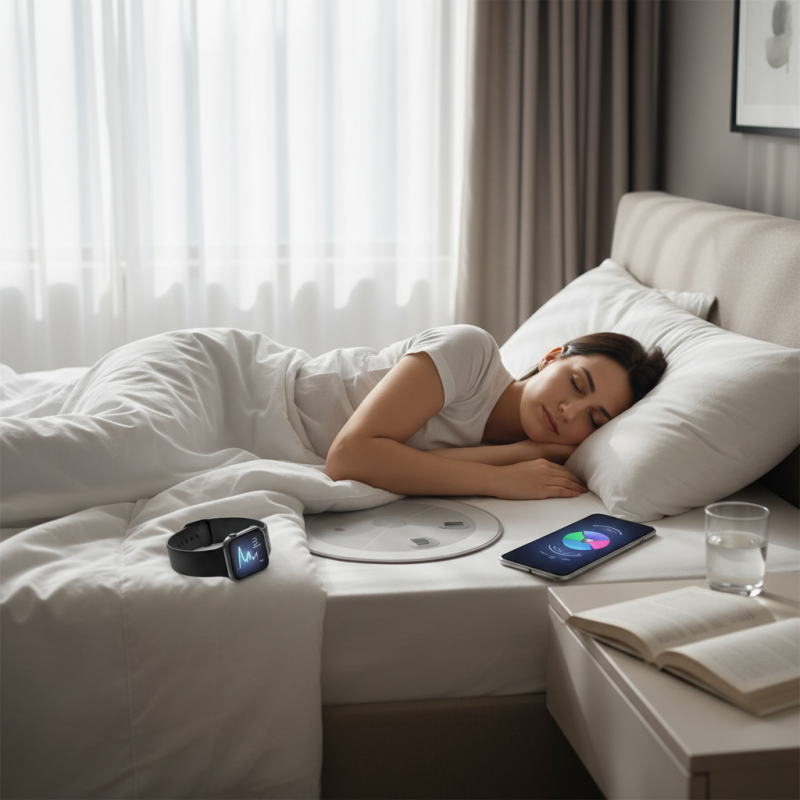
The sleep technology landscape is rapidly evolving. Different types of sleep monitoring technologies cater to various needs. Wearable devices, for instance, provide real-time heart rate and activity data. Reports suggest that about 33% of adults in the U.S. use wearables for health tracking. These devices can be effective but may not be accurate for sleep stages.
Another option is bed-mounted sensors. These devices analyze sleep patterns without personal wear. Data from the Sleep Foundation indicates that they can deliver insights on disturbances caused by snoring or movement. However, their functionality can vary widely based on placement and mattress type.
Smartphone apps offer an accessible entry point for sleep tracking. They often use the microphone to detect sounds and analyze sleep quality. Yet, the accuracy of these apps can sometimes be questionable due to environmental noise. Users should evaluate their specific needs and lifestyle when choosing among these technologies. Inevitably, each option presents limitations, and understanding them is crucial for effective monitoring.
How to Choose the Best Sleep Monitoring Technology for You?
| Technology Type | Features | Accuracy | Price Range | Best For |
| Wearable Devices | Heart rate, motion tracking, sleep stages | Moderate to high | $50 - $300 | Active individuals, fitness enthusiasts |
| Smart Mattresses | Pressure mapping, temperature control, sleep tracking | High | $800 - $3,000 | Those seeking comfort and advanced sleep data |
| Sleep Trackers | Sleep duration, REM sleep, snoring | Moderate | $20 - $200 | Budget-conscious users |
| Mobile Apps | Sound tracking, alarm features, sleep reviews | Variable | Free - $20 | Tech-savvy users looking for a quick solution |
| Sleep Quality Monitors | Breathing patterns, heart rate variability | High | $100 - $400 | Individuals with health concerns |
Key Features to Consider When Choosing Sleep Trackers
When selecting a sleep tracking technology, consider essential features that align with your unique needs. One crucial element is accuracy. A tracker must provide reliable data on your sleep cycles, including light, deep, and REM sleep. Look for models that use advanced sensors for precise measurements. Some devices may promise ideal tracking but fall short in real-world scenarios.
Another key feature is usability. A device should be simple to set up and use. Complicated interfaces can be frustrating and deter consistent use. Battery life also matters; a short battery life might disrupt your sleep data collection. Find a balance between functionality and ease of use.
Don’t overlook the compatibility aspect. Your tracker should integrate with existing health apps or smart devices you own. This connectivity adds value by allowing a comprehensive view of your overall health. However, be cautious. Some features may sound appealing but aren’t genuinely necessary. Reflect on which functionalities will enhance your understanding of your sleep patterns, and avoid getting swept away by marketing language.
Assessing Accuracy and Reliability of Sleep Monitoring Devices
When evaluating sleep monitoring devices, accuracy and reliability are paramount. Various studies indicate that many consumer-oriented devices might not provide precise data. According to the Journal of Clinical Sleep Medicine, some popular wrist-worn trackers can misclassify sleep stages. They often show a significant discrepancy of over 30% compared to polysomnography, the gold standard in sleep measurement.
The reliability of these gadgets can also vary based on the user's physical attributes and sleep patterns. For instance, individuals with irregular sleep schedules may find these devices less dependable. A report by the American Academy of Sleep Medicine suggests that environmental factors, such as room temperature and noise, might skew results. Thus, while technology can offer insights, users should remain cautious about over-relying on these devices.
Moreover, valid sleep monitoring often requires a multi-faceted approach. Combining wearable technology with sleep diaries or professional consultations might yield a clearer picture. Engaging in reflection about sleep data can lead to better sleep hygiene. Ultimately, understanding the limitations of these technologies is crucial for effective sleep assessment.
Comparing Compatibility with Other Health Apps and Devices
Choosing the right sleep monitoring technology can be overwhelming. Compatibility is crucial. Many people overlook the importance of how their sleep device works with other health apps and devices. A comprehensive study showed that 75% of users prefer devices that integrate seamlessly with their fitness trackers and health monitoring apps. This integration helps create a complete picture of one's wellness.
Sensors and tracking features vary widely among devices. Some track sleep stages, while others focus on environmental factors like room temperature and light. Users should consider platforms such as Apple Health or Google Fit. Interoperability enhances data collection, allowing for tailored insights. A report from the Sleep Foundation suggests that 68% of users report improved sleep quality when their sleep tech is interconnected with other health tools.
However, not every device meets the interoperability standard. Many standalone devices fail to sync effectively, leading to incomplete data. This can make it harder to analyze sleep patterns accurately. It’s important to research whether the device you consider can share data effortlessly across platforms. Understanding these compatibility issues can save time and frustration in the long term.
Evaluating Cost vs. Benefits of Sleep Monitoring Solutions
When evaluating sleep monitoring solutions, cost versus benefits is a crucial consideration. Technology varies widely in price. Basic devices may be affordable, but do they provide valuable insights? Higher-end options often include advanced features, such as heart rate tracking and sleep stage analysis. We must weigh these features against their costs.
Consider what you truly need. A simple app might track your sleep times effectively but lack detailed analysis. More sophisticated monitors provide comprehensive data, yet they come at a higher price. Are those additional features worth the extra money? Reflect on your sleep goals. If you seek to address specific issues, investing in quality technology may be beneficial.
It's important to analyze user reviews and expert recommendations. Not all devices perform equally. Some may overhype their capabilities. Misinformation can lead to poor purchasing decisions. Take the time to research well. Engage with communities online for unbiased opinions. Knowing what to expect enhances your experience. Ultimately, identifying cost-effective solutions that deliver meaningful results will improve your sleep quality.