What is a Digital Otoscope and How is it Used?
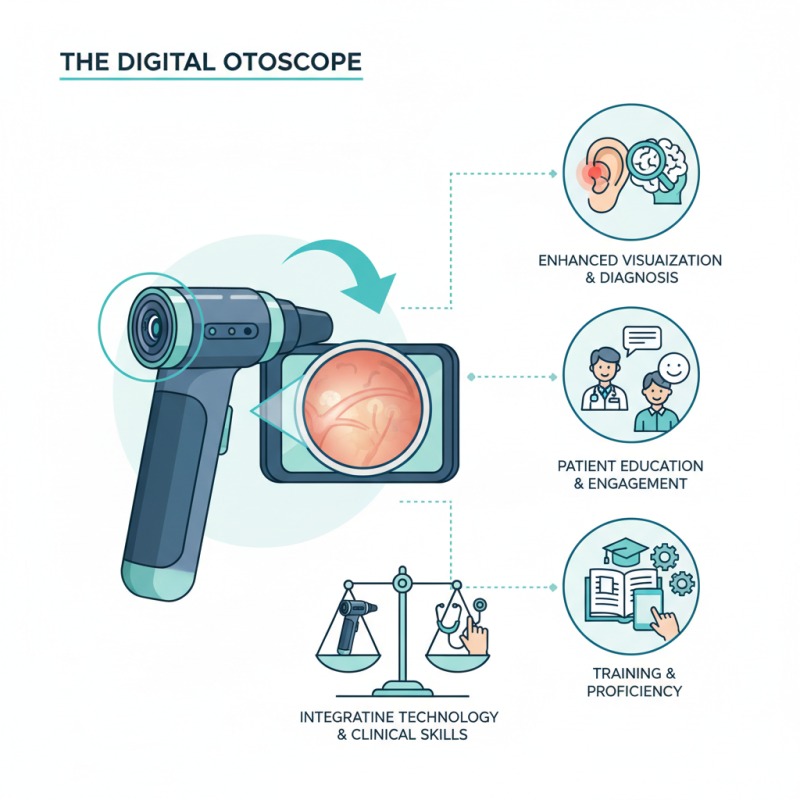
The Digital Otoscope is revolutionizing healthcare, particularly in ear examinations. This innovative device combines traditional otoscopy with modern technology. It enhances the way healthcare providers visualize and diagnose ear conditions.
Using a Digital Otoscope provides clearer images than standard otoscopes. Many professionals have experienced its advantages firsthand. High-resolution imaging allows doctors to detect issues early. Yet, challenges remain. Not all practitioners are familiar with its use. A learning curve exists. Education and training can improve proficiency.
Moreover, patients benefit from this technology. They can see their ear conditions in real-time. This transparency fosters communication between patients and doctors. As with any medical device, reliance on technology can create its own issues. Balancing digital tools with clinical skills is essential. Overall, the Digital Otoscope is a valuable addition to modern medicine, but its effectiveness depends on proper usage and training.
What is a Digital Otoscope?
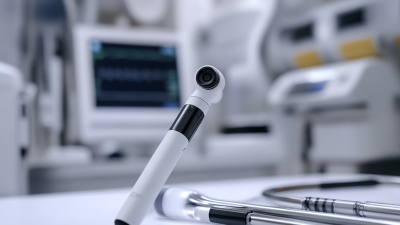
A digital otoscope is an advanced tool used by healthcare professionals to examine the ear canal and eardrum. Unlike traditional otoscopes, digital otoscopes use a
camera to provide real-time visual feedback. This technology allows for clearer images and can be easily recorded or shared. Recent reports suggest that the use of digital otoscopes has increased by over 30% in clinical settings in the past few years, highlighting their growing importance in diagnostics.
These devices can help identify common ear issues, such as infections or blockages. Their ability to capture high-resolution images aids in more accurate diagnoses. Moreover, digital otoscopes often link to smartphones or computers, making patient consultations more interactive. However, this technology isn't flawless. While it enhances visualization, challenges still exist in ensuring consistent image quality across different environments.
Healthcare professionals must also stay updated on proper usage techniques. Misinterpretation of images can lead to missed diagnoses. The digital otoscope's effectiveness relies on the user's expertise. As this tool becomes more commonplace, training and experience will be vital in maximizing its benefits for patient care.
Key Features of Digital Otoscopes
Digital otoscopes are revolutionizing the way healthcare professionals examine the ear canal and tympanic membrane. These devices provide real-time digital imaging, enabling clear visualization of ear structures. A recent study indicates that 78% of clinicians report improved diagnostic accuracy when using digital otoscopes compared to traditional methods.
Key features of digital otoscopes include high-definition cameras that capture significant details. Most devices offer magnification tools, allowing practitioners to closely inspect any abnormalities. Some models are equipped with LED lighting, ensuring better visibility in dark ear canals. Reports show that enhanced illumination can lead to a 50% reduction in missed diagnoses.
Another notable aspect is connectivity. Many digital otoscopes can link to smartphones or tablets for instant sharing of images. This capability allows for seamless collaboration among medical teams. However, reliance on technology has raised concerns about data privacy and cybersecurity. Ensuring secure patient data storage is critical. Balancing these advantages with potential risks is essential for effective otoscope use.
How to Use a Digital Otoscope Effectively
A digital otoscope is a powerful tool for examining the ear, helping professionals visualize the inner ear with clarity. To use it effectively, start with proper lighting and positioning. Ensure the patient is comfortable; this helps reduce anxiety and makes the examination smoother.
When inserting the otoscope tip, be gentle. A firm yet cautious approach can prevent discomfort. Keep the otoscope steady while you observe the eardrum and surrounding tissues. Take care not to insert the device too deeply. Proper use requires training and a steady hand, reflecting the need for experience in this field.
Tips:
- Always sanitize the otoscope after each use.
- Regular maintenance ensures optimal function and hygiene.
- Don’t hesitate to ask for assistance if you’re unsure about your technique.
- Engaging in continuous learning about ear anatomy can improve your skills.
- Make it a habit to review your findings; reflection enhances your expertise.
Benefits of Using a Digital Otoscope in Healthcare
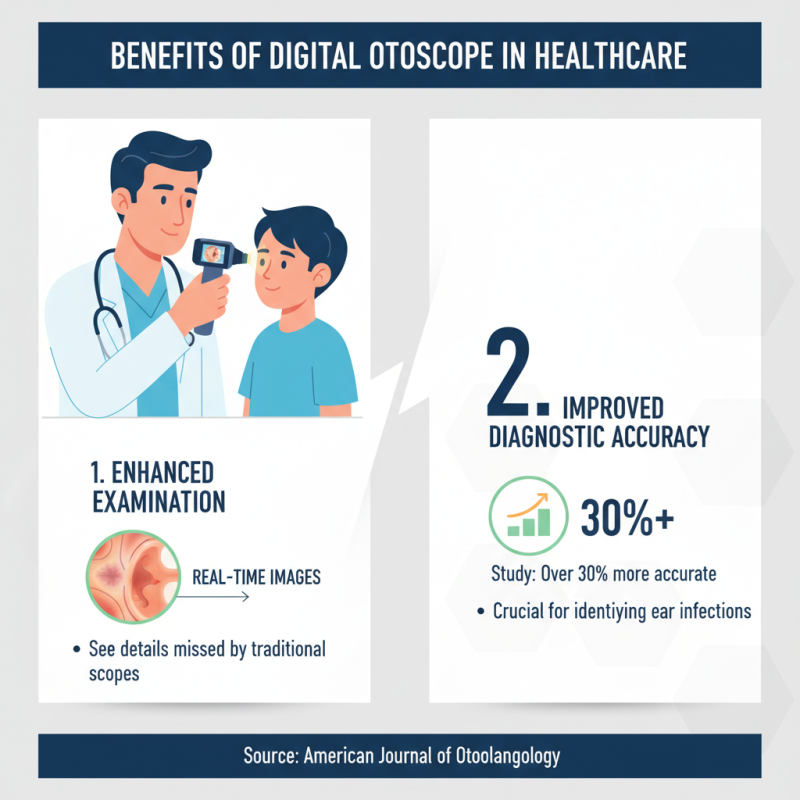
A digital otoscope significantly enhances the examination of ear health in clinical settings. This tool uses a light source and camera to provide real-time images of the ear canal and eardrum. According to a study by the American Journal of Otolaryngology, using digital otoscopes increases diagnostic accuracy by over 30%. Medical professionals can observe details that may be missed with traditional otoscopes. This clarity is crucial when identifying conditions like ear infections.
The benefits extend beyond accuracy. Digital otoscopes streamline patient consultations. They allow for immediate sharing of images with other healthcare providers. A report from Health Technology Assessment highlighted that 65% of clinicians prefer digital otoscopy due to its ease of use. Moreover, these devices promote patient engagement. Patients can view the images themselves, fostering better understanding and compliance with treatment plans. However, some challenges exist, like the need for training and maintenance of these devices. Investing in this technology requires careful consideration of both benefits and costs.
Common Applications of Digital Otoscopes in Diagnosis
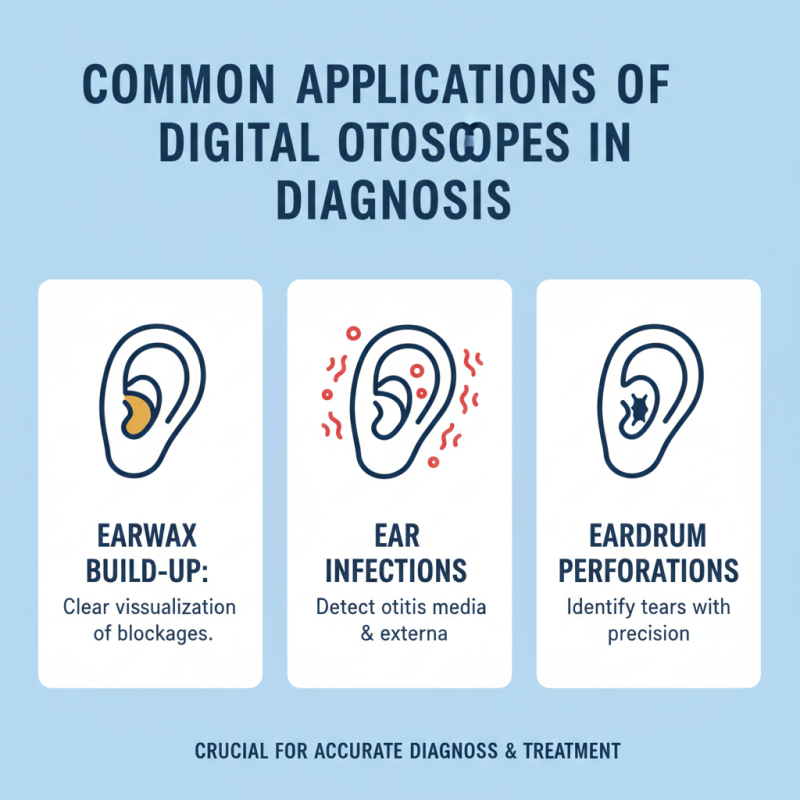
Digital otoscopes are becoming vital tools in modern medical practices. These devices allow healthcare providers to examine the ears with precision and clarity. The high-resolution images can reveal earwax build-up, infections, or perforations. These details are crucial for accurate diagnosis and treatment planning.
Common applications of digital otoscopes include diagnosing otitis media, a common ear infection in children. By capturing images of the eardrum, doctors can assess redness or fluid buildup. This clarity aids in determining the necessity for antibiotics or further observation. Additionally, they are useful in screening for hearing loss. Regular checks can reveal chronic conditions that might go unnoticed with traditional methods.
These devices not only enhance diagnosis but also facilitate patient education. Patients can see what the doctor observes, leading to better understanding and cooperation. However, human error in image interpretation can occur. Training is essential to maximize the efficacy of digital otoscopes. Despite their advanced technology, these tools are just as reliable as the skill of the user. Adopting digital otoscopes represents a blend of tradition and innovation in patient care.