

Why Choose a Hair Removal Laser Machine for Your Business?

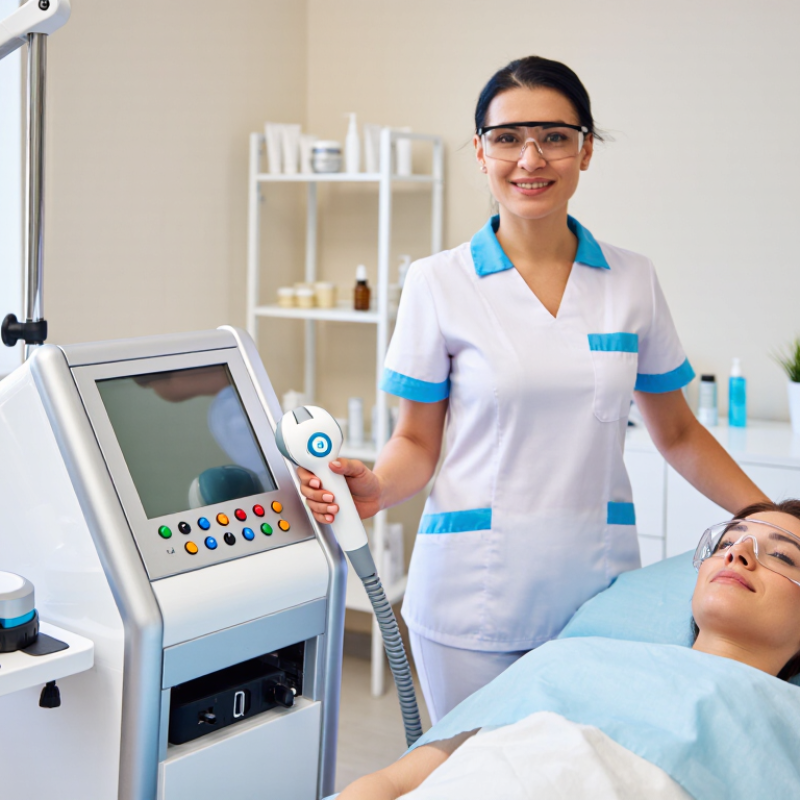
Choosing the right Hair Removal Laser Machine can shape your business operations, client trust, and long-term growth. It is not simply another device in a treatment room. The equipment affects appointment times, treatment consistency, staff confidence, and the experience clients remember after leaving.

In daily practice, reliable performance matters. A machine should offer clear settings, practical cooling, comfortable handpiece handling, and manufacturer support. These details become noticeable during busy afternoons, when several clients arrive with different skin tones and hair patterns. Qualified practitioners must assess each client carefully, explain realistic outcomes, and follow appropriate safety procedures. Eye protection, patch testing, treatment records, and regular maintenance should remain routine, not optional. Local regulations and professional requirements also need careful review before purchase.

A strong investment depends on more than impressive specifications. Evidence-based training, responsive technical support, and transparent warranty terms can reduce avoidable problems. Ask how the supplier verifies performance and supports after-sales service. Ask difficult questions. Not every attractive machine delivers the same value. Results may vary, and some clients may need several sessions or alternative approaches. That limitation deserves honesty.

Your business also needs a clear financial view. Consider the purchase price, consumables, servicing, staff training, room availability, and expected appointment demand. A cheaper device may create higher costs later. Yet an expensive model is not automatically better. Practical testing, qualified advice, and documented supplier experience can guide a safer decision. When technology matches professional skill and responsible care, a Hair Removal Laser Machine can support credible services and sustainable business development. Real trust grows slowly. That is worth remembering.
Why Choose a Hair Removal Laser Machine for Your Business?

Understanding Hair Removal Laser Machines and Their Main Applications

Hair removal laser machines use concentrated light to reduce hair growth by heating melanin in the follicle. Their main applications include facial areas, underarms, legs, backs, and bikini lines. Diode, alexandrite, and Nd:YAG systems serve different skin and hair characteristics. No single wavelength suits every client.

The global hair removal laser market was valued at approximately USD 1.03 billion in 2023, according to Grand View Research. The same report projects strong growth through 2030. This demand reflects wider interest in efficient, clinic-based treatments. However, market growth does not guarantee identical results. Hair colour, skin tone, hormonal changes, and treatment timing all matter. Darker hair usually responds better than very light hair. Results also require multiple sessions.

Tips: Record skin type, hair density, and previous reactions before treatment. Use a consultation and patch test. Adjust fluence carefully, rather than copying another client’s settings. Protective eyewear and trained operation are essential. Local safety requirements should guide every procedure.

A good business choice depends on more than purchase price. Cooling performance, adjustable settings, handpiece comfort, maintenance access, and staff training affect daily service quality. Some operators focus too heavily on power. That can be a costly mistake. Client comfort and controlled energy delivery often shape repeat bookings more strongly. The data is encouraging, but equipment selection still needs honest testing and professional judgment.

Evaluating Client Demand and Business Opportunities

Client demand should guide the purchase of a hair removal laser machine. Grand View Research valued the global laser hair removal market at about USD 1.03 billion in 2023. It also projects an 18.1% compound annual growth rate from 2024 to 2030. These figures indicate strong interest, but they do not guarantee local profitability. Forecasts are not guarantees.

Review your own market before investing. Count competing clinics within a practical travel radius. Study booking prices, wait times, and customer reviews. Ask whether clients want treatments for legs, underarms, faces, or intimate areas. Seasonal demand matters. Summer bookings may rise, while winter schedules can become uneven. A simple spreadsheet can compare average treatment revenue, consumable costs, staffing, rent, maintenance, and repayment time.

The equipment must match your client profile. Different skin tones and hair types may require different wavelengths, cooling systems, and settings. Reliable operator training is essential. Clear consultations also build trust. Explain expected sessions, temporary redness, contraindications, and realistic results. The American Society for Dermatologic Surgery has repeatedly reported strong consumer interest in non-invasive cosmetic treatments, yet interest does not equal informed consent. A common mistake is assuming every inquiry becomes a sale. It will not. Test demand with consultations or limited pre-booking before committing to a larger machine. A cautious launch may feel slower, but it exposes weak assumptions early.

Why Choose a Hair Removal Laser Machine for Your Business?

Evaluating Client Demand and Business Opportunities

Laser hair removal typically requires multiple treatment sessions because hair grows in different cycles. Common clinical treatment plans often involve approximately 6–10 sessions, creating repeat-visit opportunities and predictable demand for businesses offering professional hair removal services. Actual results vary according to hair color, skin type, treatment area, and device settings.

Comparing Laser Technologies, Safety, and Treatment Effectiveness

Why Choose a Hair Removal Laser Machine for Your Business?

Choosing a hair removal laser machine requires more than comparing output power. The technology must suit different skin tones, hair textures, and treatment areas. Alexandrite systems often work efficiently on lighter skin with dark hair. Diode lasers offer flexible performance across many common skin types. Nd:YAG technology generally provides a safer option for darker skin when used with suitable settings. Intense pulsed light is not a laser, although many clinics compare it with laser equipment. This distinction matters when explaining results to clients.

Safety depends on training, not equipment alone. A qualified operator should assess skin type, tanning history, medications, and previous reactions before treatment. Protective eyewear is essential for everyone in the treatment room. Reliable systems should include contact cooling or another controlled cooling method. A small patch test can reveal excessive heat, delayed redness, or unexpected discomfort. Keep detailed treatment records.

Effectiveness also depends on the hair growth cycle. Clients usually need several sessions, spaced according to the treated area. Dark, coarse hair often responds more visibly than fine or light hair. Results may be slower on hormonal areas. There is no perfect setting for every client. In practice, operators sometimes adjust energy gradually instead of chasing fast results. That cautious approach can feel less impressive, but it may reduce avoidable irritation. Clear consultations build trust, especially when permanent hair removal is not promised.

Planning Equipment Costs, Training, Maintenance, and Compliance

Why Choose a Hair Removal Laser Machine for Your Business?

Planning equipment costs requires more than checking the purchase price. Include delivery, room preparation, protective eyewear, software, insurance, and staff training. A suitable treatment room needs stable electricity, good ventilation, clear cleaning procedures, and enough space around the device. Training should cover skin assessment, contraindications, patch testing, treatment settings, client communication, and emergency responses. Hands-on practice matters. In real-world planning, many owners underestimate the time needed to build consistent operator skills.

Tips: Ask for a complete cost breakdown before purchasing. Request training records and technical support details. Keep a reserve fund for unexpected repairs. Do not assume the cheapest option is economical.

Maintenance should be planned before the first client appointment. Staff can inspect cables, handpieces, cooling systems, and safety labels each day. Scheduled servicing may include energy checks, filter replacement, calibration, and electrical testing. Record every inspection with dates, staff names, and reported issues. A spreadsheet helps, although paper logs may work better in a busy room.

Compliance depends on your location and business model. Confirm local rules for operator qualifications, workplace safety, client records, advertising claims, waste handling, and equipment registration. Keep training certificates, maintenance documents, consent forms, and incident reports accessible. Requirements can change, so review them periodically with a qualified local adviser. A missed detail can delay operations. That is uncomfortable, but realistic.

Measuring Profitability, Customer Experience, and Long-Term Growth

Choosing a hair removal laser machine should begin with business math, not excitement. In practice, profitability depends on utilization, treatment pricing, staffing, maintenance, and consumable costs. A machine used only twice weekly can become an expensive display. Track bookings, treatment time, room occupancy, and repeat visits before purchasing. Build conservative projections. Early estimates are often too optimistic.

Customer experience directly affects revenue and reputation. A trained practitioner should explain suitability, expected sensations, treatment schedules, and possible temporary reactions. A clear consultation builds trust before the first pulse. Comfortable positioning, privacy, clean equipment, and punctual appointments also matter. Do not promise permanent results. Hair reduction varies with skin type, hair characteristics, hormones, and treatment consistency. Document settings and client feedback carefully. Small details become reviews.

Long-term growth requires more than technical output. Select equipment supported by clear training, service access, safety documentation, and operating guidance. Follow local regulations and maintain appropriate records. Review performance monthly using retention, rebooking, cancellations, revenue per hour, and incident reports. A cheaper purchase may create costly downtime. Still, the most advanced option may exceed current demand. A phased launch can test pricing and workload before expansion. It feels slower, but it exposes weaknesses early and protects customer confidence.

Why Choose a Hair Removal Laser Machine for Your Business? - Measuring Profitability, Customer Experience, and Long-Term Growth

Performance Dimension Illustrative Business Assumption Monthly Result Annual Result Business Implication
Initial equipment investment Professional laser system, staff training, installation, and basic accessories — $35,000 estimated setup cost A larger upfront investment can support higher service capacity and a broader treatment menu.
Average treatment price Blended price across small, medium, and large treatment areas $120 per session $1,440 average revenue per active monthly client A blended price is more useful for forecasting than relying on one treatment area.
Monthly treatment volume Five treatment days per week with approximately four sessions per day 80 sessions 960 sessions The model uses moderate utilization rather than assuming a fully booked schedule.
Gross treatment revenue 80 sessions × $120 average treatment price $9,600 $115,200 Laser hair removal can create recurring revenue because clients typically require a treatment course.
Consumable and payment costs Approximately 8% of treatment revenue for disposables, payment processing, and routine supplies $768 $9,216 Low per-session consumable costs can help protect gross margin, subject to local operating expenses.
Additional monthly operating costs Part-time labor allocation, maintenance reserve, utilities, marketing, and room overhead $4,000 $48,000 Actual profitability depends heavily on staffing, rent, regulatory requirements, and customer-acquisition costs.
Estimated operating contribution Gross treatment revenue minus consumables and allocated operating costs $4,832 $57,984 This is an operating contribution estimate, not net profit after tax, financing, or depreciation.
Estimated payback period $35,000 initial investment ÷ $4,832 monthly operating contribution Approximately 7.2 months Payback within the first operating year The payback estimate changes if utilization, pricing, labor, or marketing costs differ from the assumptions.
Client treatment continuity A typical service plan may involve multiple appointments scheduled several weeks apart Higher repeat-visit potential More predictable booking pipeline Clear consultation, realistic expectations, and consistent follow-up can improve retention.
Customer experience indicators Transparent consultation, adjustable settings, hygiene procedures, and aftercare guidance Fewer avoidable complaints and better service consistency Stronger referral and review potential Customer satisfaction depends on operator training and clinical protocols, not equipment alone.
Capacity for business growth Add-on services, package pricing, memberships, and additional treatment hours Potential to increase revenue without opening a second location Scalable service line with repeat demand Growth is more sustainable when expansion follows verified demand and trained staffing capacity.

Note: The figures above are an illustrative planning model using transparent assumptions. Actual results vary by market, treatment pricing, utilization, staffing, regulations, financing, maintenance, and customer-acquisition costs.

Go to Top